
Opinion Article
Trust Over Trends: Does Character Matter in Makeup Product Recommendation?
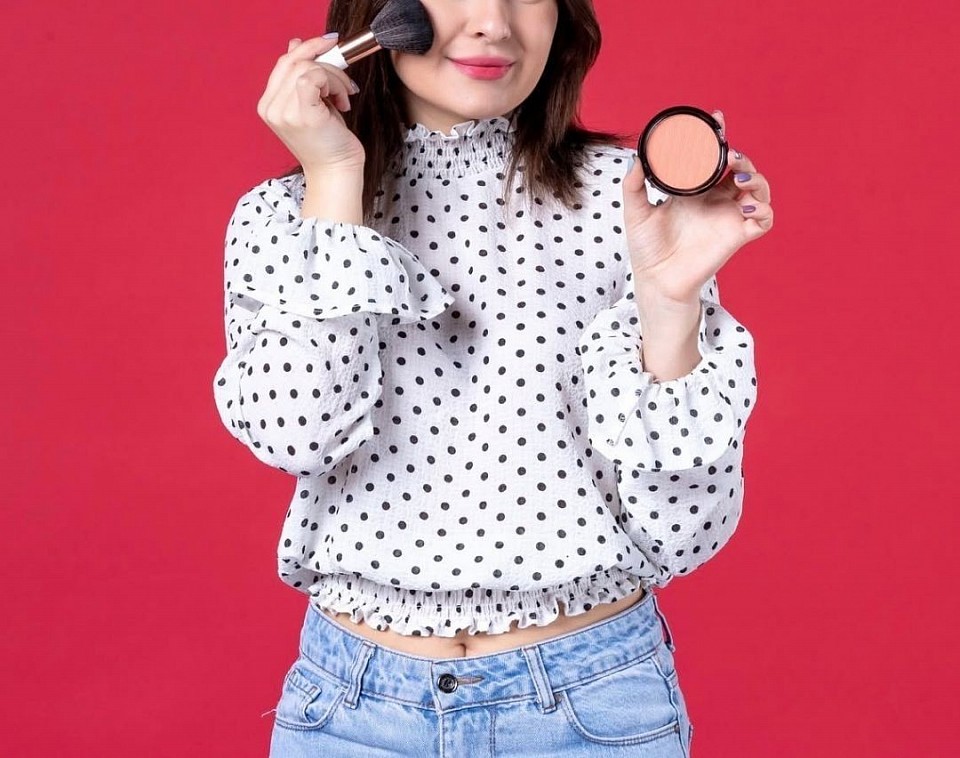
Image by Pexels
Dermatologists no longer promote cosmetics. Instead, social media influencers do. According to a study, influencers are considered as a new and innovative kind of celebrity, known as ‘micro-celebrity.’ They gain a large following by sharing self-generated content on topics such as beauty. Which raises an important question: can we trust every influencer for product recommendations?
As one writer is a cosplayer, she is always careful when choosing the products for her skin. Influencers with large followings but poor reputations make her hesitant to follow their advice. While product reviews can be useful, knowing that the person behind them is trustworthy makes their recommendations valuable. Why should we trust the person if they cannot be honest? Some influencers tend not to disclose sponsorships to appear to have genuine opinions about the product. Others share false results or even use filters to make them appear flawless. This makes it hard to tell what is real and what is just marketing hype. According to the Consumer Act of the Philippines (RA 739), influencers are required to be transparent and truthful, especially since cosmetic products directly affect the skin. However, real-life experiences can challenge that belief.
Not all recommendations from reputable influencers work for everyone. For instance, Maybelline products, endorsed by famous artists, may differ in quality. Whereas Pinkflash products, endorsed by less “trustworthy” influencers, can perform exactly as promised. Effectiveness does not always depend on the endorser's character. Being open-minded does not mean we should ignore ethics. Misleading claims can be dangerous. However, it also means recognizing that a product’s quality can stand apart from its endorsers. Some creators may have questionable pasts, still offer useful and accurate information.
That does not mean we should disregard influencers’ characters and judge products solely by their quality. Instead, we can make smarter choices by:
- checking labels to see if the product complies with FDA regulations;
- comparing reviews from multiple sources;
- and finding evidence of the product's effectiveness when you are scrolling through reviews.
Each product should be judged on its own merits. Sometimes controversial endorsements can point to something worthwhile. In the end, character does matter, but it should not be the only factor. A good reputation does not guarantee a good product, just as a bad reputation does not mean a product is useless. Finding a balance is what counts.